
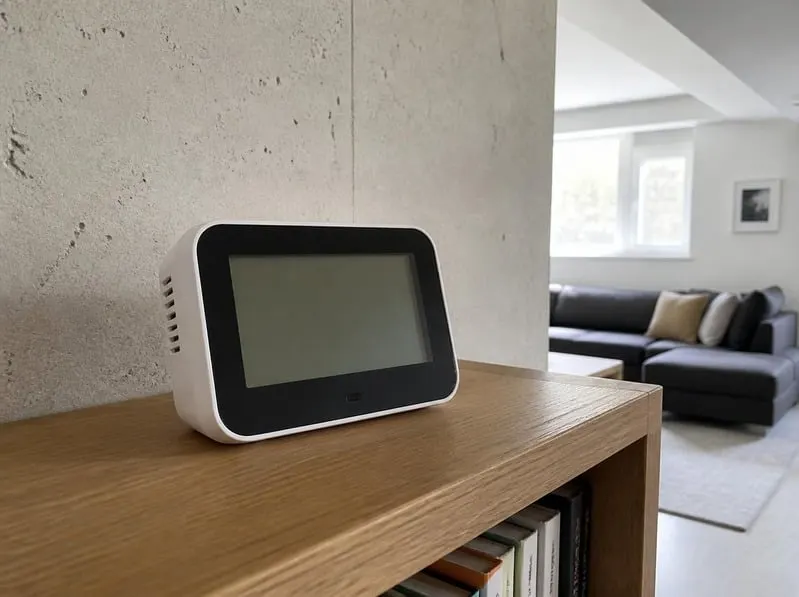
Radon Testing
Short-term professional radon tests to find out where your home stands before you spend anything on mitigation.
Learn moreRadon testing and mitigation systems for Upstate homes, with clear written quotes, tidy installs and a post-install test that shows your levels came down.
Whether you just got a high test result, you are buying or selling a house, or an older system has gone quiet, we handle the whole job from test to retest.
Short-term professional radon tests to find out where your home stands before you spend anything on mitigation.
Learn more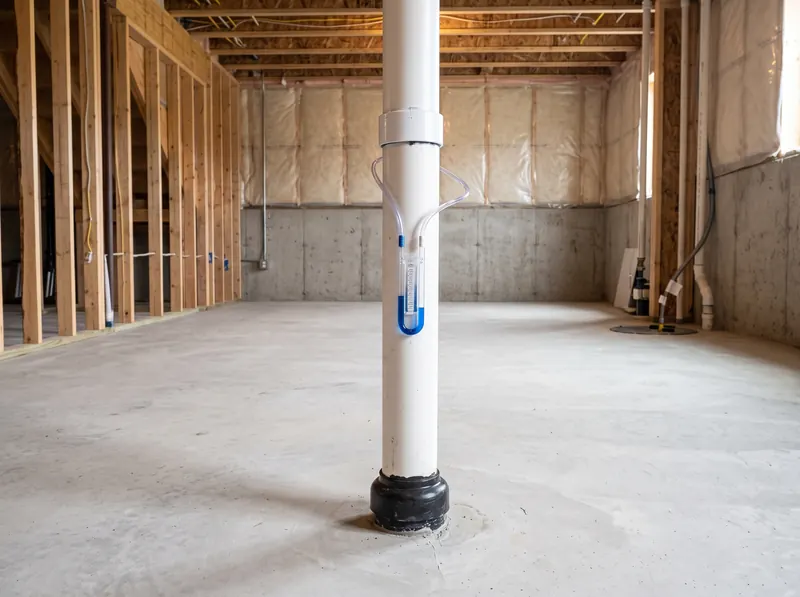
The standard fix for slab and basement homes: a suction point under the floor, sealed PVC pipe and an inline fan.
Learn more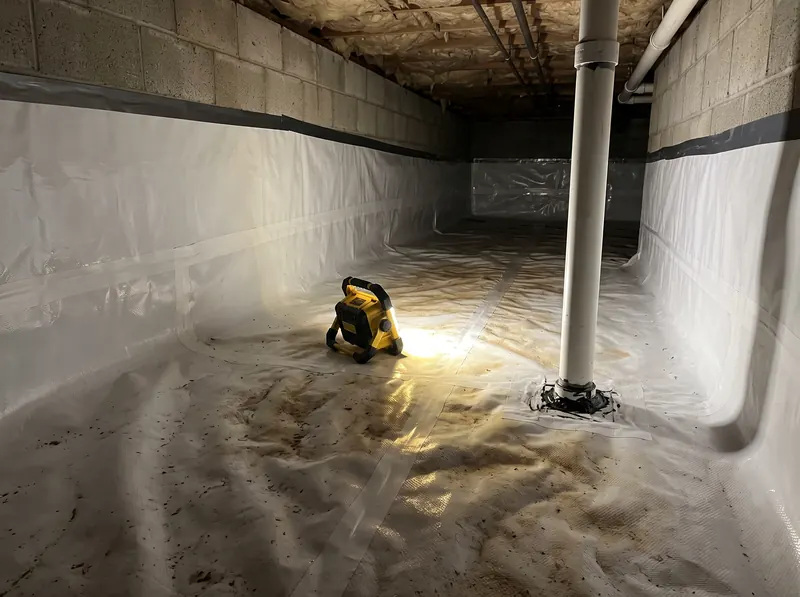
A sealed membrane over the crawl space floor with suction underneath, plus encapsulation if your crawl space needs it.
Learn more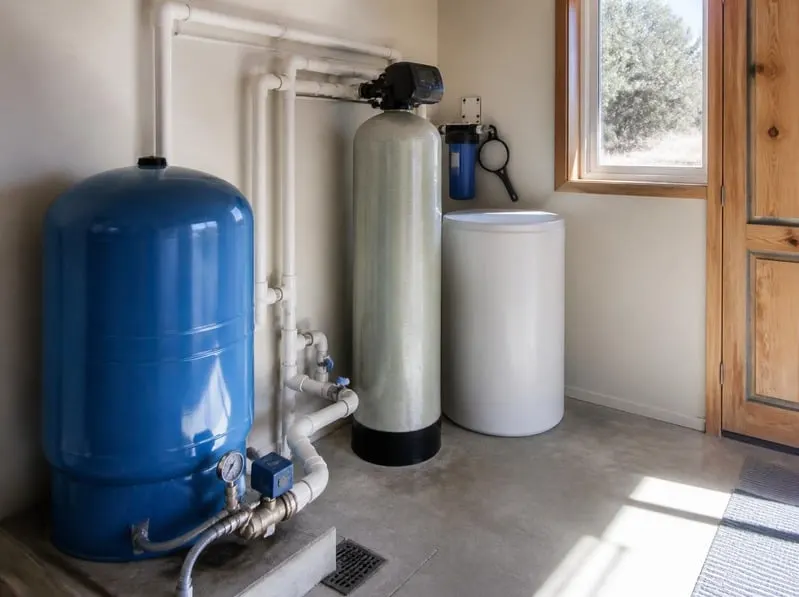
Testing and treatment options for homes on private wells, where radon can come out of the water indoors.
Learn more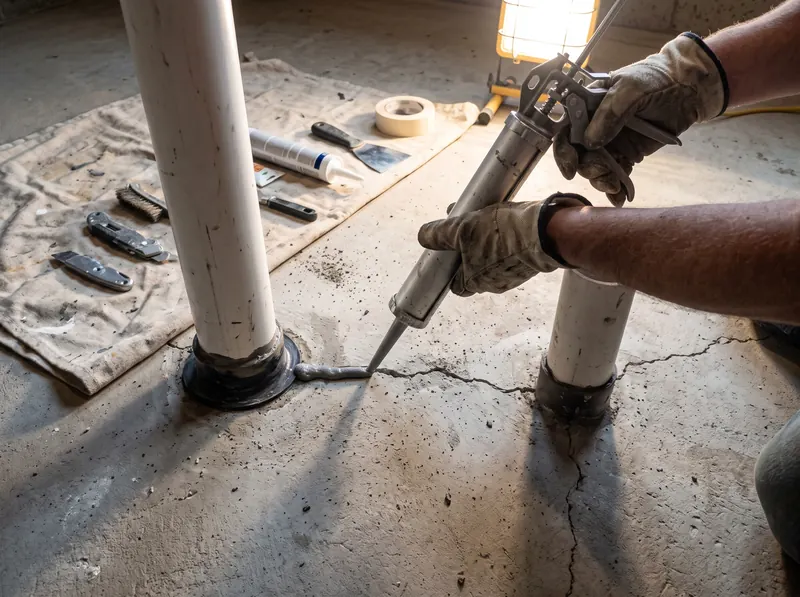
Fast testing and installs that fit a buyer's inspection window, with a post-install test you can share with both sides.
Learn more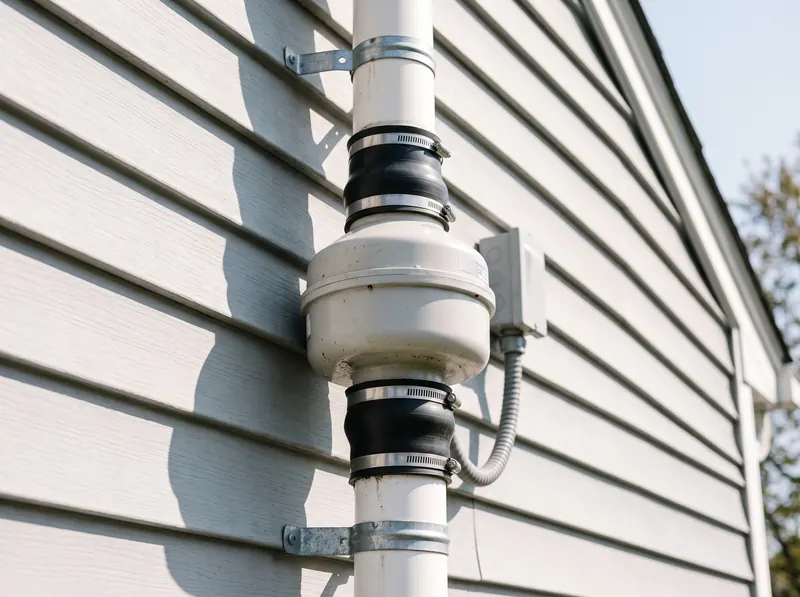
Fan replacement, manometer checks and fixes for existing systems that stopped working or never brought levels down.
Learn more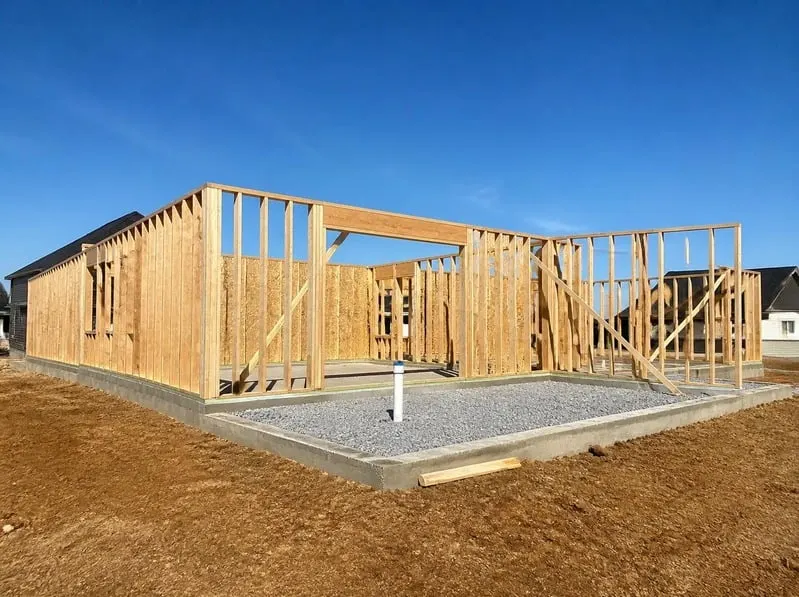
Radon-ready pipe activation and fan installs for new homes, including Greenville County homes built with radon control.
Learn moreRadon is a colorless, odorless radioactive gas that comes from uranium in soil and rock. It moves up through the ground and into homes through slabs, crawl spaces, cracks and gaps around pipes.
The EPA estimates that radon is the leading cause of lung cancer among non-smokers and the second leading cause overall. You cannot see it or smell it, so a test is the only way to know what is in your home. The EPA recommends fixing a home at or above 4 picocuries per liter (pCi/L) and considering a fix between 2 and 4 pCi/L. For comparison, the average U.S. home is about 1.3 pCi/L and outdoor air is about 0.4.
The Upstate stands out in South Carolina. Greenville County is the only county in the state that the EPA places in Zone 1, its highest radon-potential category, and Greenville County is also the only SC county that requires radon control methods in new homes. Spartanburg, Anderson, Pickens and Oconee counties are Zone 2. Zones describe county-wide potential, though, not your house. The EPA recommends testing every home no matter what zone it is in, because two houses on the same street can test very differently.
| County | EPA zone | Average initial test |
|---|---|---|
| Oconee | Zone 2 | 5.0 pCi/L |
| Greenville | Zone 1 | 3.4 pCi/L |
| Pickens | Zone 2 | 3.0 pCi/L |
| Spartanburg | Zone 2 | 2.6 pCi/L |
| Anderson | Zone 2 | 1.7 pCi/L |
These are averages of initial tests reported to the state program, so many individual homes in every county came in well above them. Oconee County, despite its Zone 2 rating, had the highest average of the five. For a deeper look, read our post on radon levels in Upstate SC or what Zone 1 means for Greenville County.
Four steps from "is this a problem?" to a confirmed lower number.
Send us a recent result or have us run a short-term professional test. If your number is at or near 4 pCi/L, we talk about next steps.
We visit, look at your foundation, check how air moves under the slab or membrane, and plan where the pipe and fan should go.
A suction point or sealed membrane, PVC pipe, a fan rated for radon, a manometer and sealed cracks. Most installs take a day or less.
At least 24 hours after the system starts, we run a post-install test so you can see the new level in writing.
Most Upstate homes fall in these typical ranges. They are estimates, and your final price comes after a free on-site look.
Here is exactly what we commit to on every job, from the first call to the final test.
If your level is low, we will tell you, and we will not push a system you do not need. If you are between 2 and 4 pCi/L, we explain the options plainly.
You get a written price, the planned pipe route and fan location, and a time estimate before any work starts. No surprises on install day.
Neat pipe runs, sealed penetrations, labeled components and a swept work area. We treat your home like it is the one we live in.
Every system gets a post-install radon test. You see the before and after numbers, which matters for your peace of mind and for any home sale.
South Carolina does not issue a state radon license. When you hire anyone for mitigation, look for NRPP or AARST certification, and ask to see it. We are happy to share the credentials of the technician assigned to your job. Our guide to choosing a radon contractor covers what else to ask.
We serve homeowners across Greenville, Spartanburg, Anderson, Pickens and Oconee counties. Find your town below or browse all service areas.
It can be. Greenville County is the only county in South Carolina that the EPA rates Zone 1, its highest radon potential, and initial tests reported to the state averaged 3.4 pCi/L, close to the EPA action level of 4. Levels vary home to home, so the only way to know your number is to test.
Typical ranges in the Upstate run about $900 to $2,500 for a slab or basement system, $1,500 to $3,500 for a crawl space system, and $2,200 to $3,800 for homes with a combination foundation. These are estimates. Your final price comes after a free on-site look at your foundation and pipe route.
Most single-family installs are finished in one day, and many take only a few hours once we are on site. Larger homes, combination foundations, crawl spaces that need a full membrane, or interior pipe routes through finished space can take longer. We give you a time estimate with your written quote.
Yes. In a crawl space we lay a sealed plastic membrane over the soil, seal it at the walls and piers, and draw air from underneath it with a fan that vents above the roofline. This sub-membrane approach is the EPA-recognized method for crawl space homes, and it is common across the Upstate.
The EPA action level is 4 pCi/L, but the EPA also recommends that homeowners consider fixing their home when levels fall between 2 and 4, because there is no known safe level of radon. Many people in that range choose to retest first, then decide. We are happy to talk through your result.
Following EPA guidance, wait at least 24 hours after the system starts running before beginning a post-install test, so the air under and inside the home can settle. We run a post-install radon test on every system we put in to confirm that your levels came down.
More answers on our radon FAQ page.
Free radon mitigation quotes across the Upstate — usually a same-day reply.